

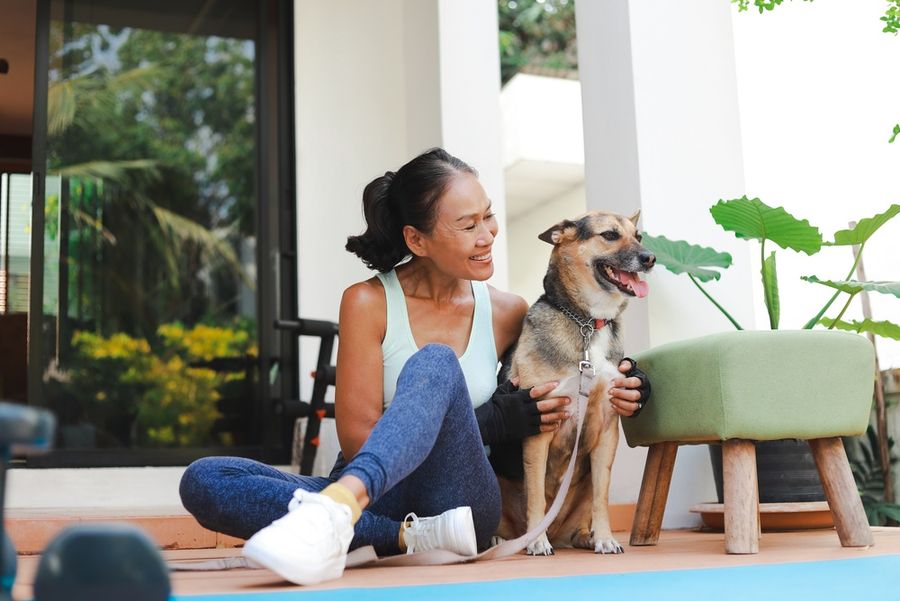
Doorbells, unfamiliar voices, and sudden movement can turn a pleasant visit into a stressful event for some dogs. A nervous pet may bark, hide, pace, jump, or struggle to settle while guests are nearby. Comfort grows through preparation, patience, and respectful interactions rather than forced greetings. By creating a secure retreat and rewarding calm behavior, owners can help their dogs build better associations with visitors. Every dog deserves enough choice and space to feel safe at home.
Prepare Before the Doorbell Rings
A little preparation can keep an arrival from feeling chaotic. Before guests arrive, give your dog a bathroom break and an appropriate amount of exercise. A sniff-filled walk or quiet play session may help release energy without causing overstimulation. Put away food bowls, favorite chews, and valued toys if your dog tends to guard important items.
Ask visitors to text or call instead of ringing the bell when that sound triggers intense barking. You can also practice doorbell sounds at a low volume when no guests are expected. Pair the sound with treats and increase the volume gradually over multiple sessions. Don’t rush the process or continue if your dog appears frightened. Calm rehearsals are easier for many dogs than learning during a busy arrival.
Create a Comfortable Retreat
Some dogs feel safest when they don’t have to interact with visitors. Prepare a quiet room, gated area, or familiar crate away from the entrance. Add comfortable bedding, water, and a safe enrichment toy. The space shouldn’t feel like punishment. Introduce it during calm periods and pair it with pleasant experiences before using it during visits.
Allow your dog to remain in the retreat for the entire gathering if that’s where they’re most comfortable. Check in periodically without bringing guests along. A securely closed door or sturdy gate can also prevent accidental encounters, especially when children are visiting. VCA Animal Hospitals notes that comfortable confinement can be a useful safety strategy when visitors are present. Separation is responsible management, not a failed introduction.
Give Visitors Clear Instructions
Visitors may love dogs but still approach in ways that feel intimidating. Explain your dog’s needs before the greeting begins. Ask guests to enter calmly, keep their voices relaxed, and avoid surrounding the dog. Children should always be closely supervised and shouldn’t chase, hug, climb on, or disturb a resting dog.
|
Encourage Visitors To |
Ask Visitors to Avoid |
|---|---|
|
Turn slightly to the side |
Leaning over the dog |
|
Let the dog approach first |
Reaching toward the face |
|
Speak in a calm voice |
Shouting or squealing |
|
Toss treats from a distance |
Forcing treats from the hand |
|
Respect attempts to move away |
Following or cornering the dog |
Guests shouldn’t take avoidance personally. Giving a dog space can create a safer and more positive visit for everyone.
Reward Calm Behavior
Help your dog connect visitors with positive outcomes by offering small, high-value treats at a comfortable distance. Reward relaxed actions such as looking quietly at a guest, turning away from the door, lying on a mat, or checking in with you. If your dog stops accepting food, increase the distance or return to the quiet retreat.
Keep training sessions brief and end while your dog is still successful. Don’t scold barking, growling, or fearful behavior. Punishment can add more stress to an already difficult situation. The American Veterinary Society of Animal Behavior recommends reward-based methods for dog training and behavior concerns. Focus on reinforcing the behavior you want while preventing situations your dog can’t yet handle. Progress may happen in small steps across many visits.
Keep Greetings Optional and Brief
A dog doesn’t need to greet every person who enters the home. If your dog chooses to approach, ask the visitor to remain still and let the dog investigate without immediate touching. Avoid direct staring and enthusiastic reaching. Some dogs may sniff briefly before walking away, and that choice should be respected.
If your dog stays nearby with loose, comfortable body language, the visitor may gently pet the chest or shoulder for a few seconds. Pause and see whether the dog seeks more contact. End the interaction if your dog turns away, freezes, lowers the body, tucks the tail, licks the lips repeatedly, or tries to hide. The RSPCA’s body language resource can help owners recognize signs of comfort, worry, and possible aggression.
Know When Professional Help Is Needed
Occasional barking or hesitation may improve with thoughtful management and gradual practice. More serious reactions deserve professional attention. Contact your veterinarian if your dog’s behavior changes suddenly because pain or illness can affect tolerance. Veterinary advice is also important when anxiety is intense, persistent, or interfering with daily life.
If your dog has growled, snapped, lunged, bitten, or repeatedly tried to escape from visitors, don’t arrange informal practice sessions. Keep guests and the dog safely separated while seeking qualified help. A veterinarian may recommend a credentialed veterinary behaviorist or a reward-based behavior professional. ASPCA guidance on dog bite prevention emphasizes the importance of understanding anxious, fearful, and threatening body language. Early support can protect everyone and prevent fear from being rehearsed.
Let Comfort Set the Pace
Helping a dog feel better around visitors isn’t about creating an instant social butterfly. Success might mean relaxing behind a gate, choosing to enter the room briefly, or watching a guest from a comfortable distance. Respecting small signs of progress builds trust and keeps expectations realistic.
Continue using preparation, distance, rewards, and quiet retreat options during future visits. Some dogs may eventually enjoy greeting familiar people, while others will always prefer separation. Either outcome can support a safe and peaceful home. When comfort guides each decision, visitors can feel welcome without asking your dog to endure interactions that feel frightening or overwhelming.