

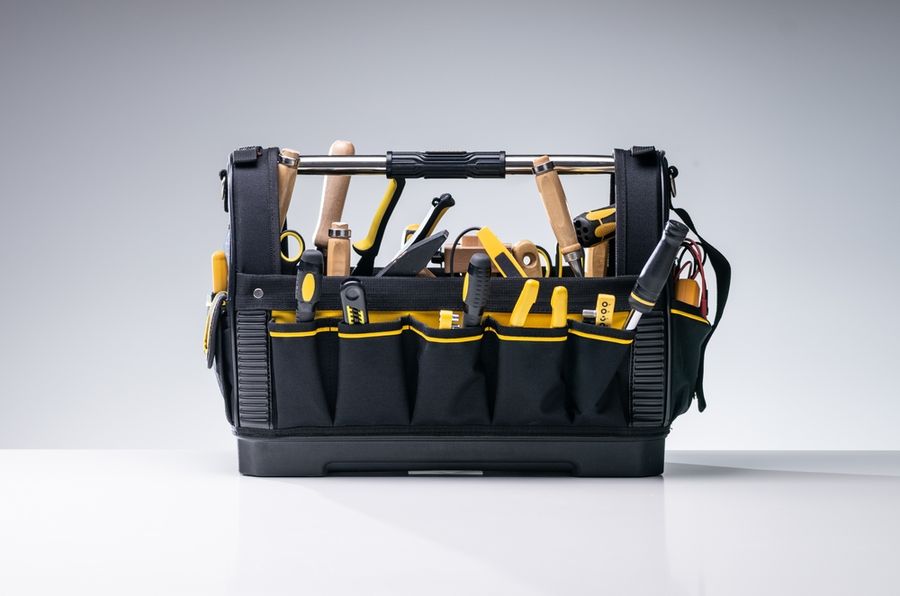
Owning a home brings plenty of satisfying firsts, including the first picture hung, loose handle tightened, and shelf assembled without calling for help. A dependable tool kit makes everyday fixes feel less intimidating and prevents repeated trips to the hardware store. The good news is you don’t need a workshop filled with specialized gear. A carefully chosen collection of versatile basics can handle common maintenance, decorating, and assembly tasks while leaving room to add tools as your skills grow.
Start With a Practical Storage Container
Before choosing tools, decide where you’ll keep them. A portable toolbox with a sturdy handle works well for a small collection. A tool bag offers flexible pockets and room for oddly shaped items, while a divided organizer keeps fasteners from getting mixed together. Choose a container that fits comfortably in a closet, cabinet, basement, or garage.
Your first collection doesn’t need to fill every compartment. Starting with empty space allows room for future purchases without requiring another storage solution. Label small containers for nails, screws, wall anchors, and picture hooks. Keep instruction manuals and receipts in a resealable pouch. A designated home for every item makes tools easier to find during an urgent repair. It also reduces the chance of leaving sharp or heavy objects where children or pets can reach them.
Add Tools for Measuring and Marking
Accurate measurements can prevent crooked pictures, uneven shelves, and costly cutting mistakes. A 25-foot tape measure will handle most household tasks, while a compact ruler can help with smaller projects. Add a standard level to check horizontal and vertical alignment. A pencil is useful for removable marks, and painter’s tape can mark positions without writing directly on finished surfaces.
Measure twice before drilling or cutting. When hanging anything heavy, determine the wall material and use suitable supports. Don’t assume every fastener will work safely in every surface.
Choose Basic Fastening Tools
A claw hammer is one of the most useful additions to a home tool kit. It can drive and remove nails, assist with light demolition, and handle many basic repairs. Look for a comfortable grip and a weight you can control easily. Add an assortment of picture hooks and common nails, but store them in labeled compartments rather than loose in the toolbox.
You’ll also need flathead and Phillips-head screwdrivers in several sizes. A multi-bit screwdriver saves space, while individual tools may offer better reach and control. Include hex keys because many pieces of ready-to-assemble furniture rely on them. Keep any specialty keys supplied with furniture. Use the correct screwdriver or bit for each fastener to avoid stripping the head. Tighten hardware until secure, but don’t force it past resistance or damage the material.
Include Gripping and Cutting Essentials
Pliers help grip, bend, twist, and pull objects that are difficult to hold by hand. Start with slip-joint pliers for general tasks and needle-nose pliers for narrow spaces. Adjustable pliers can help with some plumbing connections, while an adjustable wrench fits different sizes of nuts and bolts. Avoid using pliers when the proper wrench would provide a safer grip.
Add a utility knife with a retractable or folding blade for opening boxes, trimming materials, and cutting through packaging. Include replacement blades because dull edges require more force and may slip. A sturdy pair of scissors can handle lighter jobs. Always cut away from your body and use a suitable work surface. Close or retract blades immediately after use, and store every cutting tool securely where children can’t access it.
Consider a Cordless Drill
A cordless drill can save time when assembling furniture, installing hardware, or drilling pilot holes. A compact drill-driver is usually enough for common household projects. Choose a model that feels balanced in your hand and has an adjustable clutch, variable speed, and readily available replacement batteries. A basic set of drill and driver bits will cover many beginner tasks.
Read the manual before using the drill and confirm that the selected bit matches the fastener or material. Begin at a low speed and keep the tool aligned with the screw or hole. Check walls for electrical wiring, plumbing, and other hidden hazards before drilling. Safety glasses can protect your eyes from dust and fragments. A drill is convenient, but hand tools offer better control for delicate hardware or final tightening.
Make Safety Part of the Kit
Protective equipment belongs beside your tools, not on a future shopping list. Safety glasses are essential for drilling, hammering, cutting, and working overhead. Add work gloves for handling rough materials, disposable masks suited to dusty cleanup, and hearing protection for loud equipment. A flashlight or headlamp can illuminate dark cabinets, crawl spaces, and utility areas.
Inspect tools before each use and replace damaged handles, frayed cords, cracked cases, or worn blades. Keep batteries charged according to the manufacturer’s directions and store chemicals separately from hand tools. Know your limits as well. Electrical work, gas repairs, major plumbing problems, structural changes, and hazardous materials usually require a licensed professional. A good tool kit supports safe independence, but it shouldn’t encourage tackling work beyond your knowledge or local requirements.
Build Your Collection One Project at a Time
A useful home tool kit doesn’t need to be purchased all at once. Begin with versatile items that solve frequent problems, then add specialized tools when a real project requires them. Borrowing or renting equipment can make more sense for expensive tools that you’ll rarely use.
As your experience grows, you’ll learn which repairs feel comfortable and which should be left to professionals. Return every tool to its place after use, replace supplies before they run out, and keep the container accessible during minor household emergencies. A thoughtfully assembled kit offers more than convenience. It gives you the confidence to maintain your space, complete small improvements, and handle everyday fixes with greater skill.