

A well-maintained home is safer, more comfortable, and less likely to surprise you with an expensive repair. Luckily, small tasks completed throughout the year can reveal leaks, worn seals, blocked drainage, or struggling equipment before minor concerns cause major damage. The challenge isn’t finding something to inspect. It’s creating a manageable rhythm that keeps every area on your radar. A seasonal checklist spreads the workload and helps protect the place you depend on every day for comfort and security.
Complete a Few Checks Every Month
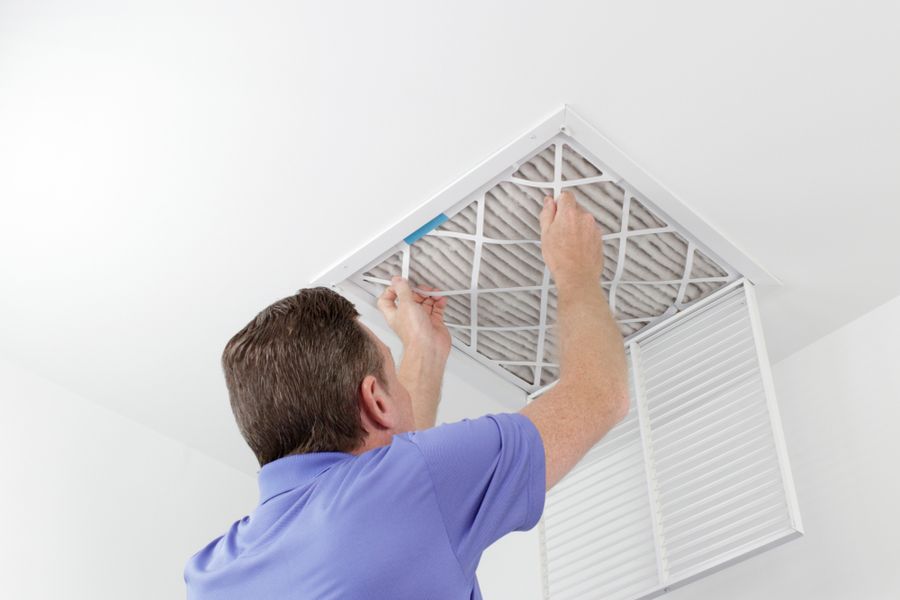
Monthly maintenance should focus on systems that affect safety, air quality, and water use. Walk through the home and look beneath sinks, around toilets, near appliances, and along ceilings for moisture or discoloration. Check the HVAC filter and replace it when dirty or according to the system manufacturer’s instructions. ENERGY STAR recommends regular filter checks to support efficient operation.
Use a short monthly checklist:
- Test smoke and carbon monoxide alarms
- Inspect accessible plumbing for leaks
- Check the HVAC filter
- Clean the kitchen range hood filter
- Run water in rarely used fixtures
- Look for indoor pest activity
- Confirm fire extinguishers are accessible
- Check drains for slow movement
The Consumer Product Safety Commission also recommends testing smoke and carbon monoxide alarms monthly.
Refresh the Exterior in Spring
Winter weather can leave behind loose materials, clogged drainage, and damaged surfaces. Walk around the property and inspect the roof from the ground for missing or shifted shingles. Look for cracks in siding, peeling paint, damaged screens, and gaps around doors or windows. However, be sure to hire a qualified professional when roof access or repairs would create a fall risk.
Further, clear leaves and debris from gutters and downspouts when it’s safe to do so. Confirm that water flows away from the foundation rather than collecting beside it. Check walkways, steps, railings, decks, and fences for movement or deterioration. Trim plants that touch the siding or block vents, but watch for active nests and local pruning restrictions. Spring is also a useful time to schedule cooling-system service before hot weather places greater demand on the equipment.
Care for Outdoor Areas in Summer
Longer days make summer a practical time for exterior repairs and yard maintenance. Inspect decks, porches, and patios for loose boards, protruding fasteners, splinters, and damaged masonry. Check outdoor faucets and irrigation lines for leaks. Adjust sprinklers so water reaches plants rather than siding, windows, sidewalks, or the foundation.
Also, wash dirt and mildew from suitable exterior surfaces using methods recommended for each material. It's worth noting that pressure washing can damage wood, roofing, seals, and painted finishes when used incorrectly, so choose gentler cleaning when appropriate. Next, examine trees for broken or unhealthy limbs that could threaten the house, vehicles, or utility lines. However, tree work near power lines should always be left to qualified professionals. Clean and store outdoor tools after use, and keep grills safely positioned away from combustible materials according to the manufacturer’s directions.
Prepare the Home for Fall
Falling temperatures make autumn an important season for sealing gaps and preparing heating equipment. Inspect weatherstripping around exterior doors and windows, replacing pieces that are flattened, cracked, or missing. The U.S. Department of Energy identifies weatherstripping as a way to reduce air leaks around movable joints. Check caulk around stationary gaps and repair it with a compatible product.
Next, schedule heating-system maintenance before demand rises. Clean around accessible vents and make sure furniture or rugs don’t block airflow. It's also important to clear gutters after most leaves have fallen and inspect downspouts again. Disconnect garden hoses where freezing is possible and follow local recommendations for outdoor plumbing and irrigation systems. Inspect the chimney and fireplace before use, relying on a qualified professional for cleaning, damage, or venting concerns.
Watch for Winter Trouble
Cold weather can reveal problems that were easy to miss during milder months. Check windows and doors for drafts, but don’t seal intentional ventilation openings. Watch pipes in vulnerable areas for signs of freezing and follow local guidance for insulation or cold-weather protection. After storms, inspect the property from a safe location for damaged branches, roof concerns, and blocked exterior vents.
Keep snow and ice away from required appliance exhausts and air intakes when applicable. Never use outdoor cooking or fuel-burning equipment inside a home or garage. Monitor indoor ceilings, walls, and attic areas for stains, dampness, or unusual odors that could indicate leaks or condensation. Don’t climb onto an icy roof. Contact a qualified professional when snow loads, ice dams, electrical hazards, fuel-burning appliances, or inaccessible damage require closer evaluation.
Schedule Annual Reviews and Professional Service
Some tasks need attention once a year or at intervals specified by the manufacturer. This is why it's best to review appliance manuals, service records, warranties, and previous inspection reports. Flush or service equipment only when the instructions support homeowner maintenance. Be sure to arrange professional care for systems that require specialized knowledge, licensing, tools, or safety precautions.
Annual planning may include HVAC service, chimney inspection, pest evaluation, roof assessment, septic maintenance, or water-system testing, depending on the property. ENERGY STAR recommends yearly heating and cooling tune-ups. Next, check the manufacture date and replacement instructions on alarms as well. The U.S. Fire Administration advises replacing smoke alarms when they reach 10 years old. Local codes, climate, equipment, and household needs may require a different schedule.
Turn Maintenance Into a Lasting Routine
Home maintenance feels more manageable when tasks are spread across the calendar. Add recurring reminders to your phone, keep a printed checklist near household records, or assign one weekend each season to inspections. Record completed work, service dates, model numbers, receipts, and observations so changes are easier to notice over time.
No checklist can account for every home, climate, or building system. Use manufacturer instructions, local requirements, and professional advice to personalize your schedule. Respond promptly to leaks, electrical concerns, gas odors, structural movement, and other potential hazards rather than waiting for the next seasonal review. Consistent attention can extend the life of household systems, reduce preventable damage, and make caring for your home feel far less overwhelming.