

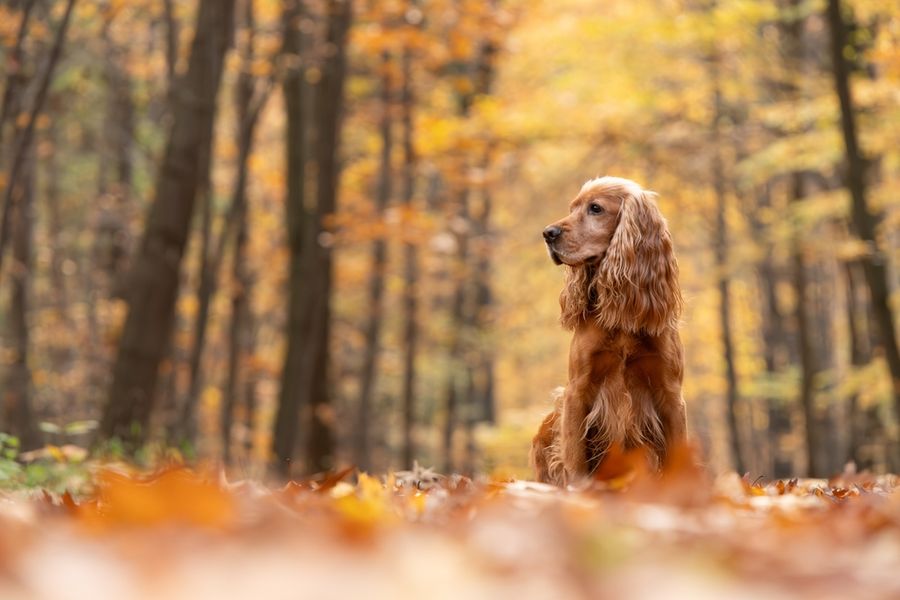
Great pet photos don’t require a professional camera or a perfectly cooperative subject. They come from noticing the split-second moments that reveal personality. Your phone can capture a curious head tilt, a joyful sprint, or a gloriously awkward nap. Good light and smart framing will help every shot feel more polished. Add patience and a playful approach, and you’ll have everything needed to create lively images that preserve the expressions and everyday quirks you never want to forget.
Prepare Before Your Pet Arrives
Pets may lose interest quickly, so prepare the setting before inviting them into position. Clean your phone’s camera lens with a soft cloth because fingerprints can create hazy images. Also, remove distracting objects, test the lighting, and decide where you’ll stand or sit. Having everything ready allows you to start taking photos as soon as your pet appears.
Use a quick setup checklist:
- Clean the camera lens
- Turn off the flash
- Check the background for clutter
- Prepare treats or a favorite toy
- Silence distracting notifications
- Confirm that enough storage is available
- Activate burst or continuous shooting mode
- Keep a leash nearby for outdoor safety
Limit the session to a few minutes if your pet seems restless. Several short attempts will often produce better expressions than one long, frustrating photo shoot.
Make the Most of Natural Light
Soft natural light can reveal fur texture, eye color, and facial details without creating harsh shadows. Position your pet near a bright window indoors, or take photos outside during the morning or late afternoon. Overcast days are also useful because clouds diffuse sunlight and create even illumination. Avoid placing your pet in direct midday sun, which can cause squinting and overly bright highlights.
Turn off the camera flash whenever possible. A sudden burst of light may startle an animal and can create glowing eyes or flat-looking colors. If you’re photographing beside a window, move around until the light falls across your pet’s face. Watch how small changes in position affect the image. Moving only a few feet can produce softer shadows and clearer features without additional equipment.
Photograph From Your Pet’s Perspective
Standing above a pet often produces a familiar snapshot, but lowering the camera can make a portrait feel more engaging. Kneel, sit, or lie on the floor so the lens is close to your pet’s eye level. A lower angle shows the world from the animal’s perspective and can make facial expressions feel more personal. It may also create a cleaner background.
Experiment with different viewpoints while respecting your pet’s space. Photograph a cat from the edge of a sofa, capture a rabbit from ground level, or frame a dog’s face between blades of grass. You don’t always need to include the entire animal. Close-ups of paws, whiskers, ears, or a favorite sleeping pose can tell a charming story. Changing your position is a free way to make ordinary photos look more thoughtful.
Capture Attention Without Forcing a Pose
A treat, squeaky toy, or familiar sound can encourage your pet to look toward the camera. Hold the object close to the lens rather than far to one side if you want direct eye contact. Ask another person to help when possible, especially if your pet responds well to known cues. Reward calm participation so the experience stays positive.
Don’t insist on a pose that makes your pet uncomfortable. Some animals are more expressive when they’re playing, exploring, or relaxing naturally. Follow their behavior instead of repeatedly repositioning them. A curious head tilt, spontaneous stretch, or sleepy yawn may create a better photograph than a formal sit. Stay quiet, move slowly, and give your pet time to investigate the camera. Patience often leads to the most genuine expressions.
Simplify the Background and Composition
A busy background can pull attention away from your pet. Before taking the photo, check for laundry piles, trash cans, tangled cords, or brightly colored objects behind the subject. Move distracting items when practical, or shift your angle until the background looks cleaner. A plain wall, grassy lawn, tidy blanket, or shaded doorway can provide an attractive setting without special props.
Avoid placing your pet directly in the center of every image. Try positioning the face slightly to one side and leaving open space in the direction the animal is looking. Use doorways, furniture, plants, or pathways as natural frames and leading lines. Remember to focus on the eyes because viewers are naturally drawn to them. Simple composition choices can make a casual smartphone photo feel balanced and intentional.
Take Plenty of Photos and Edit Lightly
Pets move quickly, and a perfect expression may last less than a second. Use burst mode or hold the shutter button to capture several images in rapid succession when your device allows it. Start taking photos before the anticipated movement, such as a jump, shake, or leap toward a toy. Later, choose the sharpest frame with the strongest expression.
Basic editing can improve a good photo without making it look unnatural. Crop distracting edges, straighten the horizon, and make small adjustments to brightness, contrast, or warmth. Avoid heavy filters that hide fur texture or change your pet’s natural coloring. If an image is slightly blurry but captures a wonderful moment, keep it anyway. Emotional value matters more than technical perfection, especially when documenting the personality and experiences of a beloved companion.
Focus on the Moments That Matter
Better pet photography isn’t about producing a flawless portrait every time. It’s about noticing the expressions, routines, and small details that make your companion unique. Soft light, a clean background, a low angle, and patient timing can improve photographs without requiring expensive upgrades or complicated settings.
Keep your phone or camera within reach during everyday life, not only during planned photo sessions. Favorite images often happen while a pet naps in an unusual position, watches birds through a window, or greets someone at the door. Take plenty of pictures, experiment freely, and let your pet’s comfort shape the experience. Years later, the imperfect photographs filled with personality may be the ones you value most.